Fund Commentary
Market Commentary
Escalating geopolitical tensions, renewed inflation concerns driven by energy shocks, and a hawkish shift in central bank expectations dominated market sentiment in September. Global fixed income markets sold off sharply amid persistent supply pressures from widening fiscal deficits and corporate issuance, alongside energy driven inflation concerns. The 10-year UST yield rose 54bp during September to 5.29%, its highest level since 2007. The S&P Index fell 0.45% caught between rising rates and resilient corporate earnings. Brent crude surged 14.4% to $103.50 given the supply disruptions and stalled US-Iran negotiations. The DXY gained around 1.4%, supported by elevated US yields and safe-haven demand.
In the US, economic data remained resilient, supported by robust business activity and investment in AI infrastructure. Consumer sentiment remained strained, with higher prices, interest rates and trade tensions weighing on household expectations. The Fed raised rates by 25bp to 3.75%–4.00%, marking a hawkish recalibration of monetary policy, with September projections pointing to further tightening by year-end.
Portfolio Review
The Fund’s QA USD Class fell 4.40% in September, as a sharp steepening at the long-end drove broad based, duration-led selling across fixed income markets. High quality, long duration bonds repriced despite underlying issuer fundamentals remaining intact.
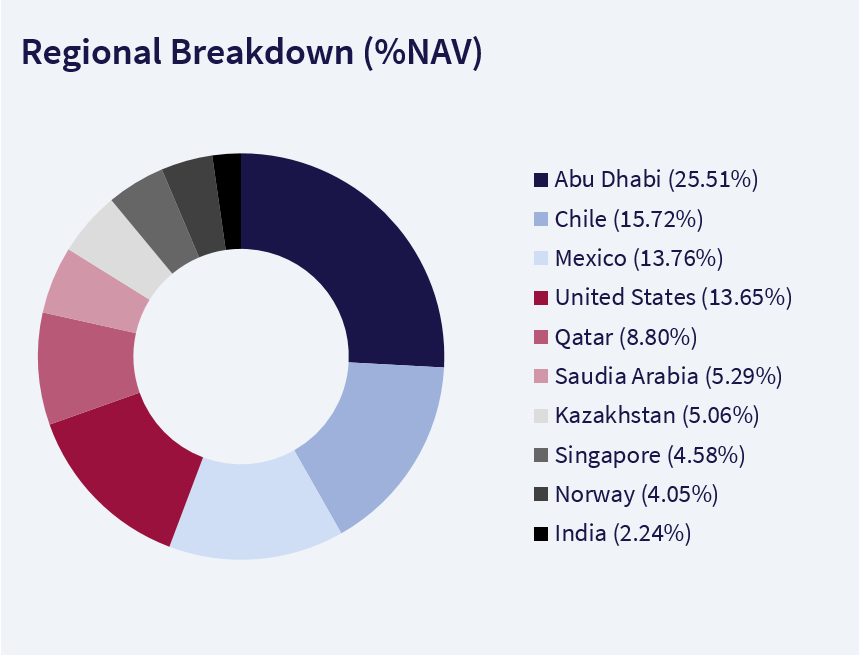
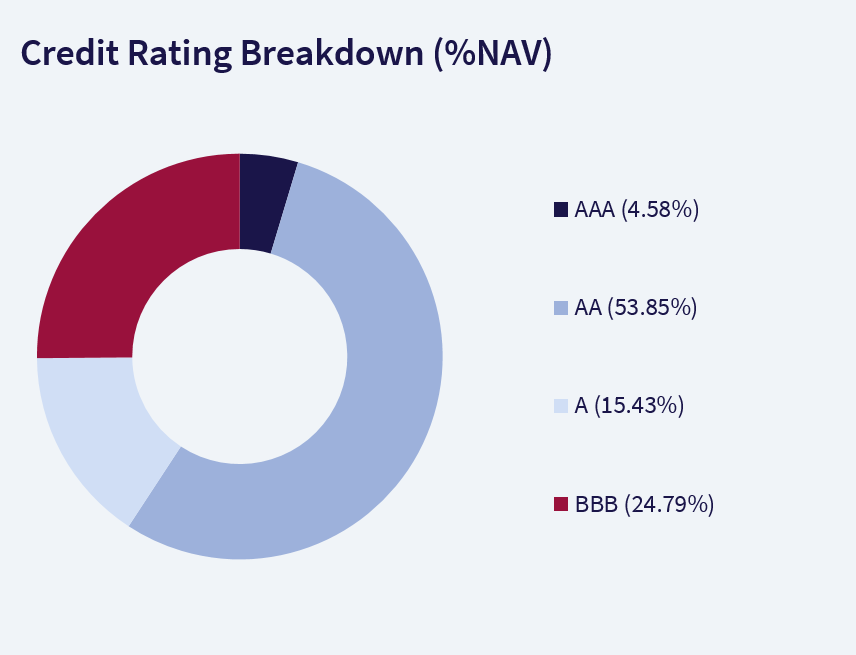
The largest detractors were Pemex 2050s, GACI 2053 and KazMunayGas 2048. We maintain our belief that their long-term credit fundamentals are sound. Pemex 2050s yields 9.4%, with over 20% expected return to fair value and more than 5 notches of credit cushion. Fitch affirmed Pemex’s rating, citing continued explicit financial backing from the Mexican government. GACI 2053, backed directly by Saudi Arabia’s PIF, is rated Aa3/A+, in line with the Saudi sovereign, and benefits from PIF’s substantial external reserves and low leverage. KazMunayGas, rated Baa1/BBB, benefits from robust operating cash flows, low leverage and its strategic position as the national oil and gas company.
Currency positions were mixed. The yen gained 1.64% following renewed intervention-related support; we halved the position at around ¥153; it closed the month above ~¥157. The renminbi gained 0.24%, while the Swiss franc and Singapore dollar fell 3.22% and 0.33%, respectively.
During the month, we reduced positions in Pemex 2050s, Chile 2037s, Codelco 2036s and US Treasuries.
Outlook
As we enter the final quarter, persistent inflation, elevated fiscal borrowing, and geopolitical risk continue to weigh on markets. Yet ~5% Treasury yields are nothing to fear; they are broadly consistent with pre-GFC levels and provide a significantly stronger income starting point for bond investors.
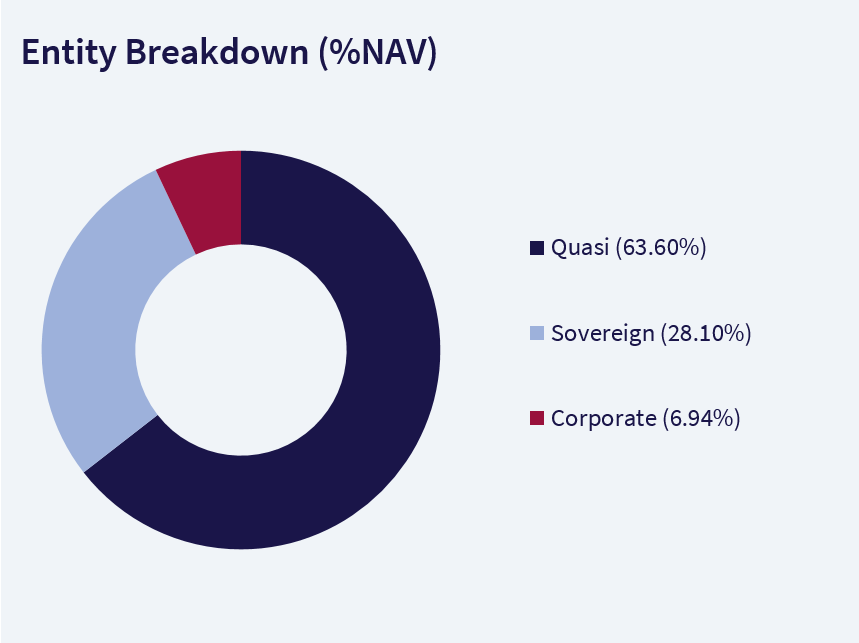
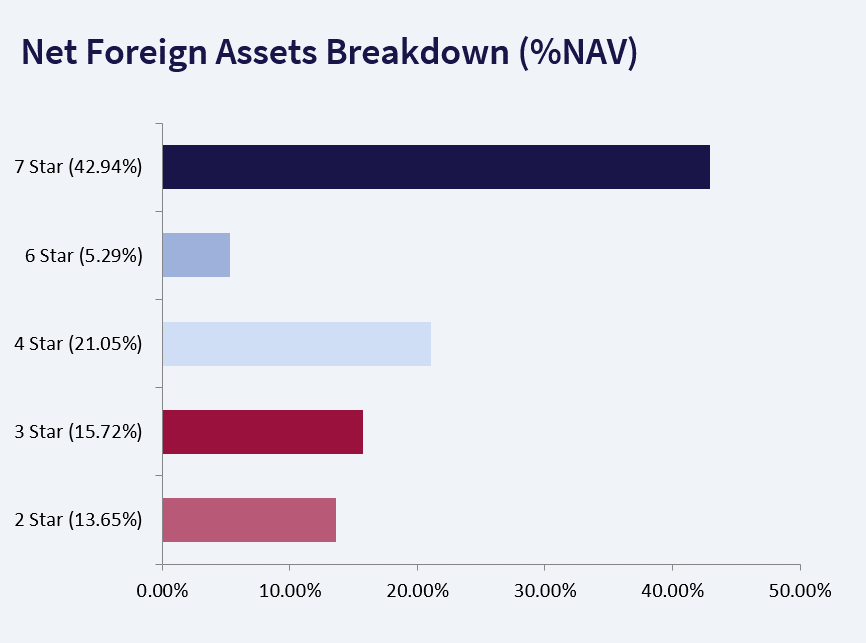
The key question is whether these yields adequately compensate for the risks ahead. Energy-driven inflation, elevated borrowing and rising refinancing costs make issuer selection increasingly important. We therefore continue to favour an index-agnostic approach, focusing on sovereign and quasi-sovereign issuers with strong Net Foreign Asset positions.
Higher yields do not require rates to fall to generate attractive returns. Instead, they provide a greater income cushion and scope for total returns across a range of outcomes, while the increasing dispersion between issuers creates opportunities for active relative value selection.
Monthly data as at: 30/09/2026.